
Verified trust for a D2C oral care brand.
How SmiloShine Built D2C Brand Credibility With WhatsApp Green Tick Verification and Digital Trust.
SmiloShine needed more than visibility. It needed a credible, review-ready digital presence that matched how cautious D2C buyers evaluate oral care brands. Intent Tale aligned the business data, public proof, AEO/GEO signals, and WhatsApp verification readiness so the brand could feel legitimate across every touchpoint.
Project snapshot
The business context before the system was rebuilt.
- Client
- SmiloShine
- Industry
- D2C oral care
- Core challenge
- WhatsApp verification rejection and a trust gap around the brand
- Trust system
- Business-data consistency, proof layer, AEO/GEO readiness, and WhatsApp verification alignment
- Selected outcome
- WhatsApp Green Tick readiness strengthened and credibility improved
Selected case-study outcome; verification outcomes vary by business and platform review.
Outcome snapshot
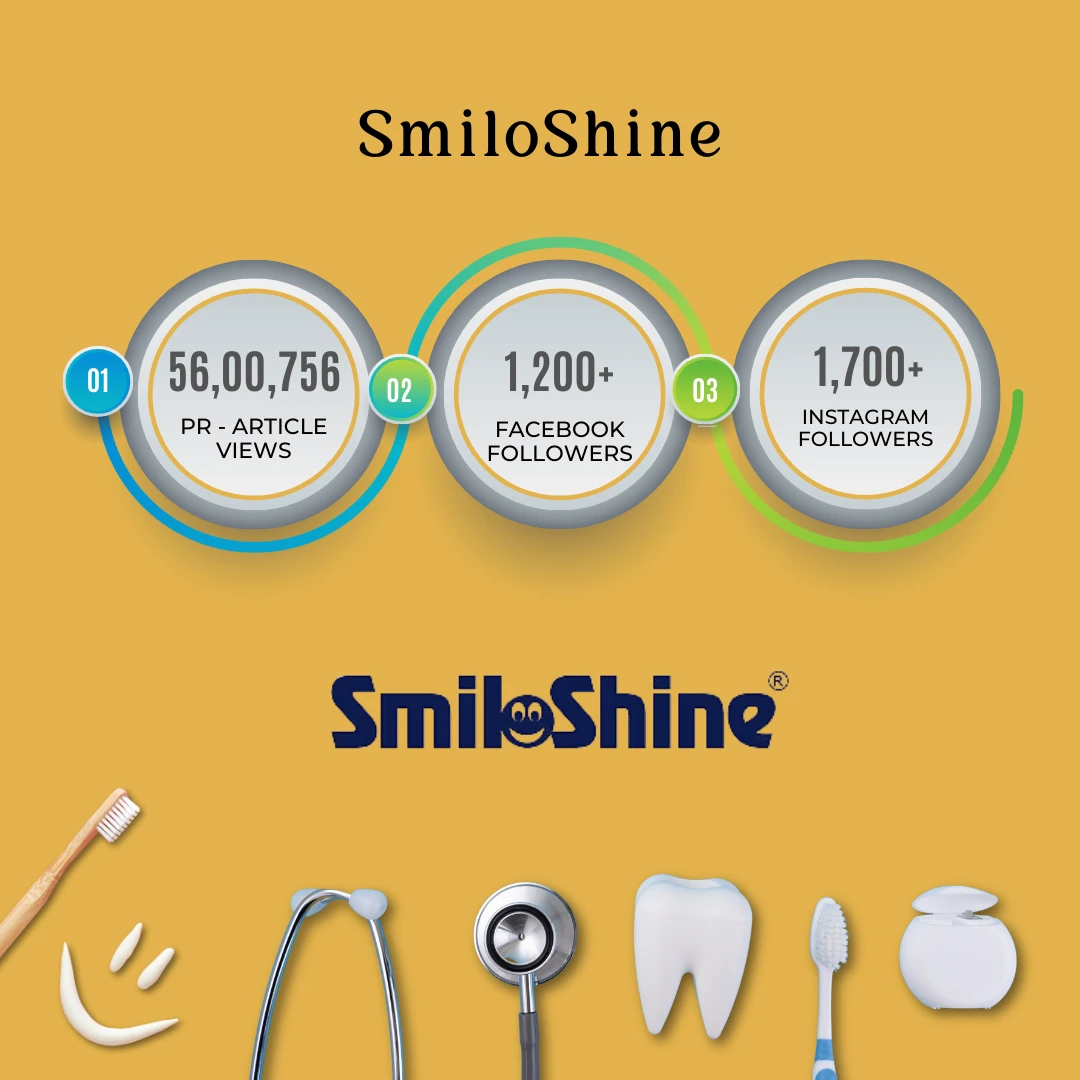
The engagement at a glance.
Selected brand visibility and audience-growth outcomes from the Smiloshine engagement.
The business problem
The Growth Problem Was Not Visibility Alone. It Was Credibility.
SmiloShine was already operating in a category where trust matters before the first message is sent. Customers needed to understand the brand, believe the product claims, and feel confident that the WhatsApp channel was official. The initial verification rejection showed that the system needed stronger alignment, not just another submission.
- A WhatsApp Green Tick rejection signaled a credibility gap that needed to be resolved.
- The public brand presence needed to support a real D2C oral care business, not just a campaign.
- The company data across the website, proof layer, and business records needed cleaner consistency.
- Search systems and buyers needed clearer signals that the brand was legitimate and active.
- The visibility layer had to support trust, not vanity.
What was missing
What Needed Alignment Before Another Verification Attempt.
The team needed a cleaner trust stack: the business identity, the public narrative, the proof layer, and the communication channel all had to point to the same legitimate brand story.
Business-data consistency across website, proof, and communication touchpoints.
Stronger digital trust signals for a D2C oral care brand.
A clearer AEO/GEO entity profile that search systems could interpret confidently.
Public proof that supported legitimacy without leaning on hype.
A WhatsApp-ready brand story that matched the customer journey.
Visibility that reinforced credibility instead of creating noise.
Operating approach
How the system was improved
Diagnosed the credibility bottleneck
We reviewed where the verification process, public signals, and brand story were not aligning.
Aligned the business identity
We made sure the business name, public details, and supporting signals told the same story.
Strengthened the proof layer
We reinforced visible trust signals so buyers could understand why the brand was legitimate.
Improved AEO and GEO clarity
We structured the entity and category signals so AI systems could interpret the brand with less friction.
Prepared the WhatsApp trust path
We aligned the communication channel, brand proof, and customer expectations around official use.
Built visibility with context
We focused on credibility-led visibility rather than disconnected impressions or vanity reach.
Supported verification readiness
We tightened the brand presentation so a future review had a stronger trust foundation.
Connected the next-step system
We connected proof, search, and follow-up into a clearer path for decision-making.
Illustrative outcomes
The result was a clearer growth system.
WhatsApp Green Tick
verification readiness strengthened
56 Lakh
aggregate views across approved visibility and credibility-building placements
Cleaner
business-data consistency and proof alignment
Stronger
digital trust signals for buyers and search systems
Clearer
AEO/GEO entity recognition
More official
first WhatsApp conversation
Why it worked
Why it worked
The brand story matched the business reality
The public narrative, contact points, and proof layer pointed to one credible D2C brand.
Verification was treated as a trust system, not a form
We improved the business foundation that review systems evaluate instead of focusing only on resubmission.
Visibility supported credibility
The visibility layer was framed as approved, contextual proof rather than vanity reach.
AI systems had clearer entity signals
The page architecture and supporting context made it easier for search and answer engines to understand the brand.
Decision questions
Frequently Asked Questions
Short answers for founders who need clarity before committing budget, time, or team attention.
What was the main challenge in the SmiloShine project?
The main challenge was not just visibility; it was credibility. SmiloShine needed a clearer, more consistent digital trust layer after a WhatsApp Green Tick rejection.
What does WhatsApp Green Tick verification signal to customers?
It signals that the account is official and reduces uncertainty when customers are deciding whether to trust the brand.
Why did the first verification attempt matter?
The rejection showed that the brand’s public signals, proof layer, and business data needed stronger alignment before another attempt.
How did Intent Tale improve the brand’s trust layer?
We aligned business identity, proof, AEO/GEO clarity, and WhatsApp readiness so the brand looked and read like a credible operating business.
Was the 56 Lakh figure a sales guarantee?
No. It describes aggregate visibility across approved placements and should be understood as a contextual outcome, not a guarantee.
Why does AEO and GEO matter for a D2C brand like SmiloShine?
AEO and GEO help search and answer engines understand the entity, category, and trust context of the brand more clearly.
What should a D2C brand fix before applying again for verification?
It should fix business-data consistency, public proof, website credibility, and the clarity of the WhatsApp use case.
Can visibility alone solve a trust problem?
No. Visibility helps only when it reinforces a credible, consistent brand story.
What kinds of businesses benefit most from this approach?
Brands in high-trust categories, especially D2C, healthcare, and premium consumer markets, benefit the most.
Does this approach help with buyer confidence as well as platform review?
Yes. The same trust signals that help review systems also make buyers more confident in the brand.
What is the best next step if my brand has a similar credibility gap?
Start with a structured diagnosis of your offer, proof layer, and channel alignment before adding more traffic.
Can Intent Tale help with the full system, not just the WhatsApp setup?
Yes. We work across the offer, website, search visibility, proof, and follow-up layers so the system connects end to end.
Founder next step
Want to diagnose your own growth bottleneck?
Bring your current website, proof layer, and follow-up flow. We will help you identify the biggest trust gap first.
- Clear bottleneck diagnosis
- 30-90 day priority map
- No-pressure next step